
Managing Reverse Logistics for E-Commerce Success
Table of Contents
- What You'll Need Before You Start
- Step 1: Map Your Current Returns Process
- Step 2: Implement E-Commerce Returns Management Best Practices
- Step 3: Choose the Right Reverse Logistics Software Tools
- Step 4: Understand the True Cost of Processing Customer Returns
- Step 5: Optimise Recovery and Disposition
- Common Mistakes to Avoid in Managing Reverse Logistics for E-Commerce
- Frequently Asked Questions
Last Updated: October 2, 2026
What You'll Need Before You Start
Managing reverse logistics for e-commerce is the work of getting returned goods from your customer's doorstep back into salable stock, without losing money at every step. It is the half of your operation most brands ignore until returns pile up.
This guide from HubXpert walks through a five-step process you can run this quarter. The aim is simple: fewer lost items, faster refunds, and more cash recovered from stock you already paid for.
Before you touch any process, gather the basics:
- A full export of the last 90 days of returns, with reasons where you have them
- Your current refund and exchange policy, written down
- Access to your courier account and return labels
- A rough figure for what each return costs you to handle
- One person who owns the returns process, even part-time
Most teams skip the export. That single file tells you where the money is leaking.
Step 1: Map Your Current Returns Process
Mapping your returns process means writing down every step a returned item takes, from the customer's first click to the moment the item is refunded, resold, or scrapped.
Do this on one page. No software needed.
Walk through it as if you were the customer. Where do they find your returns policy? How do they get a label? Where does the parcel physically land? Who opens it?
Then note the gaps:
- Steps with no owner
- Places where items sit for days
- Handoffs between courier, warehouse, and finance
- Where you decide an item's fate
A common mistake is mapping the ideal process rather than the real one. Sit with whoever opens the parcels and ask what actually happens on a busy Monday. The truth is usually messier and more useful.
Once it is on paper, you can see where returns stall. That is where your time and money go.
Step 2: Implement E-Commerce Returns Management Best Practices
E-commerce returns management best practices are the habits that keep returns cheap and customers calm. Four of them do most of the work.
First, make returns easy to start. A clear portal or a simple form beats a buried email address. Customers who cannot find the process will phone you, and phone calls cost more than clicks.
Second, give customers a reason to exchange rather than refund. Offer store credit with a small bonus, or show the right size before they send the item back.
Third, grade every returned item fast. Split them into resellable, repairable, and scrap. Delay here kills value.
Fourth, close the loop on the reason code. If the same fault appears 20 times, it is a product or packaging problem, not a returns problem.
Step 3: Choose the Right Reverse Logistics Software Tools
Reverse logistics software tools handle the tracking, labelling, and grading that spreadsheets cannot. The right choice depends on your volume, not your ambition.
At low volume, a returns portal that plugs into your store platform is enough. At higher volume, you want tools that talk to your warehouse system and your courier.
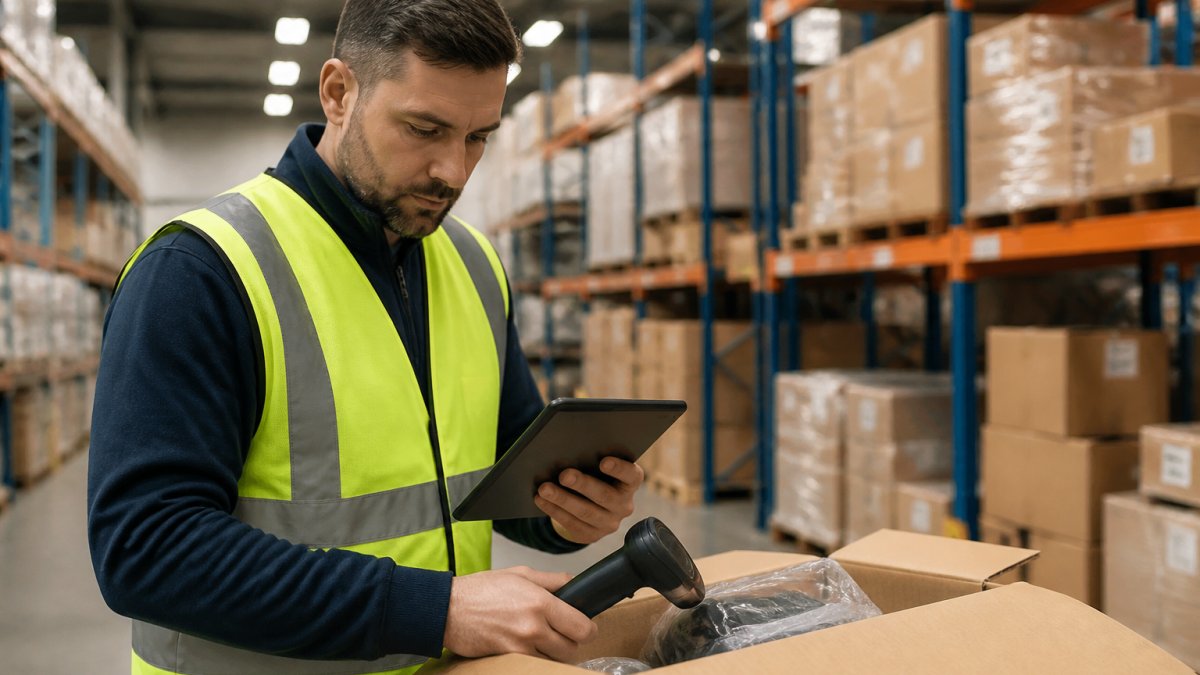
Look for these features:
- Automated return labels and tracking
- Reason codes captured at the point of return
- Grading and disposition workflows
- Reporting that shows cost per return
- Integration with your existing stock system
Match the tool to your stage. A small brand buying enterprise software will pay for features it never uses. A growing brand on spreadsheets will drown.
| Your Stage | What You Need | What to Avoid |
|---|---|---|
| Under 50 returns a month | Store-platform returns portal | Enterprise suites |
| 50-500 returns a month | Portal plus warehouse integration | Manual spreadsheets |
| Over 500 returns a month | Full reverse logistics platform | Tools with no API |
Whatever you pick, test it for a month before committing. Software that looks clean in a demo can fall apart on a busy week.
Step 4: Understand the True Cost of Processing Customer Returns
The cost of processing customer returns is far higher than the refund itself. Most brands count only the money they hand back, then wonder why margins shrink.
Add up the hidden parts:
- Courier and label costs for the return leg
- Warehouse time to receive, open, and grade
- Refurbishment, cleaning, or repackaging
- Lost value when an item cannot be resold at full price
- Customer service time on every query
A returned item that sells again at full price costs you little. A returned item that ends up scrapped costs you the product, the outbound shipping, the return shipping, and the handling. That is the number worth tracking.
Track cost per return by reason code. When you see which reasons cost the most, you know where to act. A small change to packaging can cut damage returns. A better size guide can cut fit returns.
Step 5: Optimise Recovery and Disposition
Recovery and disposition is the practice of deciding what happens to each returned item so you recover the most value from it. Speed matters more than perfection here.
Set clear rules for each grade:
- Resellable: back to stock within 48 hours
- Repairable: routed to refurbishment with a cost limit
- Parts or scrap: stripped or recycled, not stored
The faster an item moves, the more it is worth. A jacket returned in October can sell again before Christmas. The same jacket graded in January is dead stock.
Consider secondary channels for items you cannot sell as new. A clear grading label and honest photos let you recover part of the cost rather than nothing.
Where returns are heavy and predictable, outsourcing the handling can free your team to focus on sales.
Common Mistakes to Avoid in Managing Reverse Logistics for E-Commerce
The biggest mistake in managing reverse logistics for e-commerce is treating returns as a nuisance rather than a data source. Every return tells you something about your product, your packaging, or your listings.
Other mistakes that cost real money:
- Hiding the returns policy to discourage returns, which drives customers away for good
- Refunding before the item is received, which invites fraud
- Letting returned stock sit ungraded for weeks
- Tracking returns cost without splitting it by reason
- Buying software before mapping the process
Each of these is fixable in a week. Pick the one costing you most and start there.
The brands that win at returns are not the ones with the fewest. They are the ones that turn each return into a sale or a lesson.
Frequently Asked Questions
What is the reverse logistics process in e-commerce?
The reverse logistics process covers every step after a customer initiates a return: authorising the return, providing a label, transporting the item back to a warehouse or collection point, inspecting it, and deciding whether to restock, refurbish, recycle, or dispose of it. For e-commerce businesses, the goal is to recover as much value as possible while keeping the customer informed. A clear process reduces delays, lowers costs, and turns a potentially negative experience into a reason for customers to buy from you again.
How can I reduce the cost of processing customer returns?
Start by tracking the full cost of processing customer returns, including shipping, labour, packaging, and lost inventory value. Then tackle the biggest drivers. Offer drop-off options instead of home collection where practical, use prepaid labels with tracking, and set clear return windows to discourage late returns. Automating your returns portal can cut manual admin time. Also, analyse return reasons: if sizing is a common issue, improve product descriptions or add size guides to prevent returns in the first place.
How does the Consumer Rights Act 2015 impact e-commerce returns?
The Consumer Rights Act 2015 gives UK customers the right to return faulty goods within 30 days for a full refund. For online orders, the Consumer Contracts Regulations 2013 add a 14-day cooling-off period from the day the customer receives the goods, during which they can cancel for any reason. You must refund within 14 days of receiving the returned item or proof of return. Your returns policy must be clear and comply with these rules, but you can choose to offer more generous terms if you wish.
What are the key challenges in managing reverse logistics?
Common challenges include high shipping costs, especially for low-value items; accurately tracking inventory as it moves back into stock; managing customer expectations around refund timing; and dealing with fraudulent returns. Many businesses also struggle with the manual effort of processing returns, which can lead to errors and delays. Using a dedicated returns portal, setting clear policies, and integrating your returns system with your inventory management can address most of these issues and make the process smoother for both your team and your customers.
Returns will keep coming, and each one handled badly drains margin you worked hard to earn. HubXpert helps growing brands fix this with agile warehousing, tailored logistics strategy, and hands-on support that scales with your demand. Our team brings a personal touch and a dynamic approach to every supply chain problem. Contact us to see how we can cut your returns cost and recover more value from stock you already own.